The Flock at Sukkerfjell Apiary and Gardens
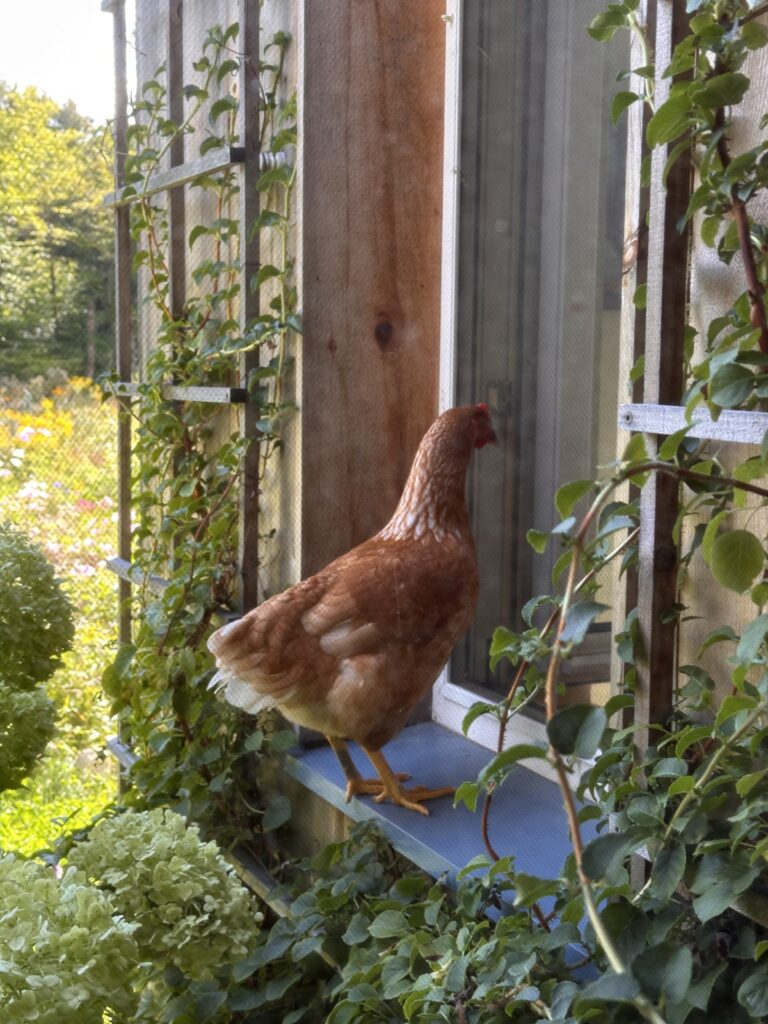
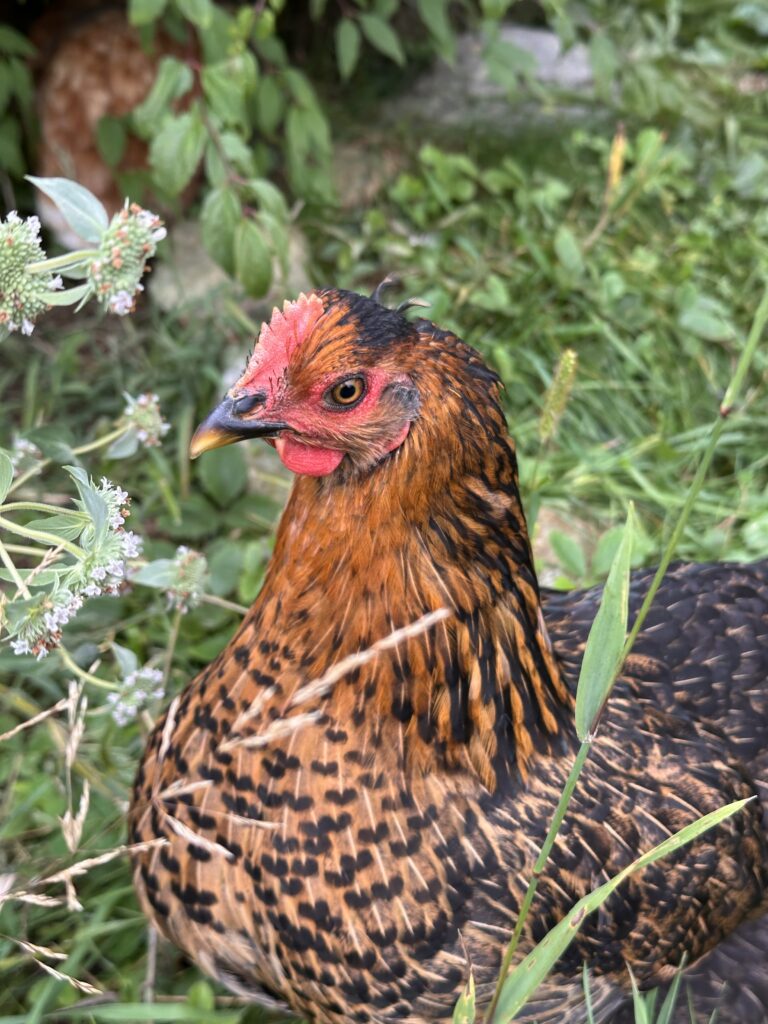
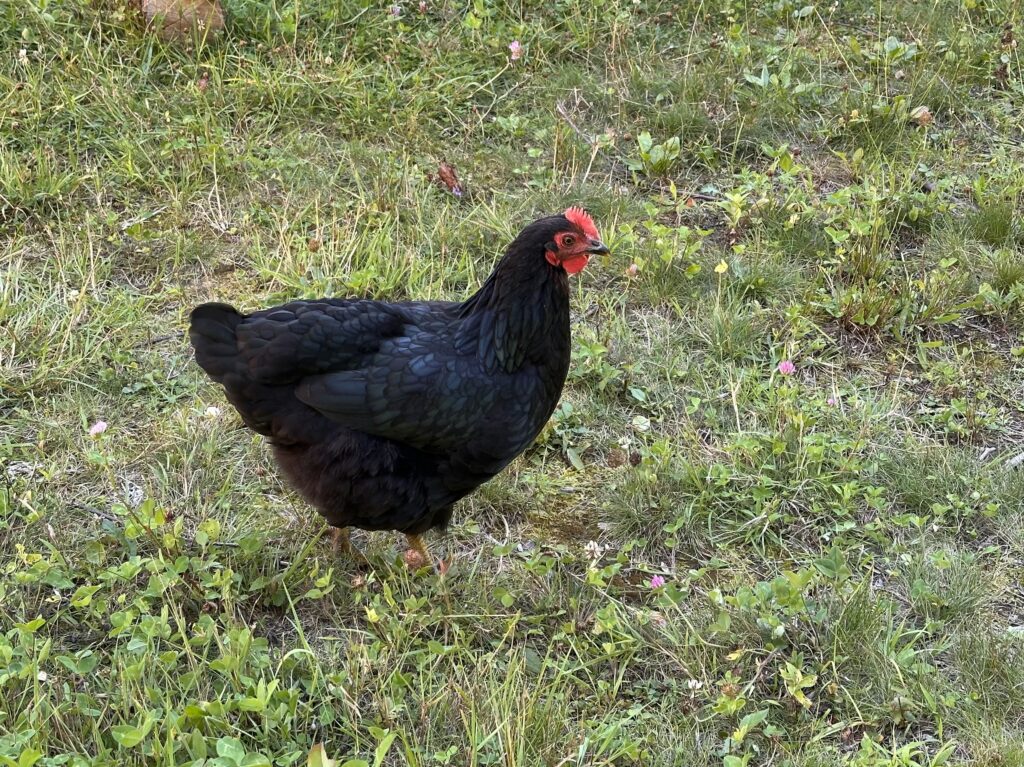
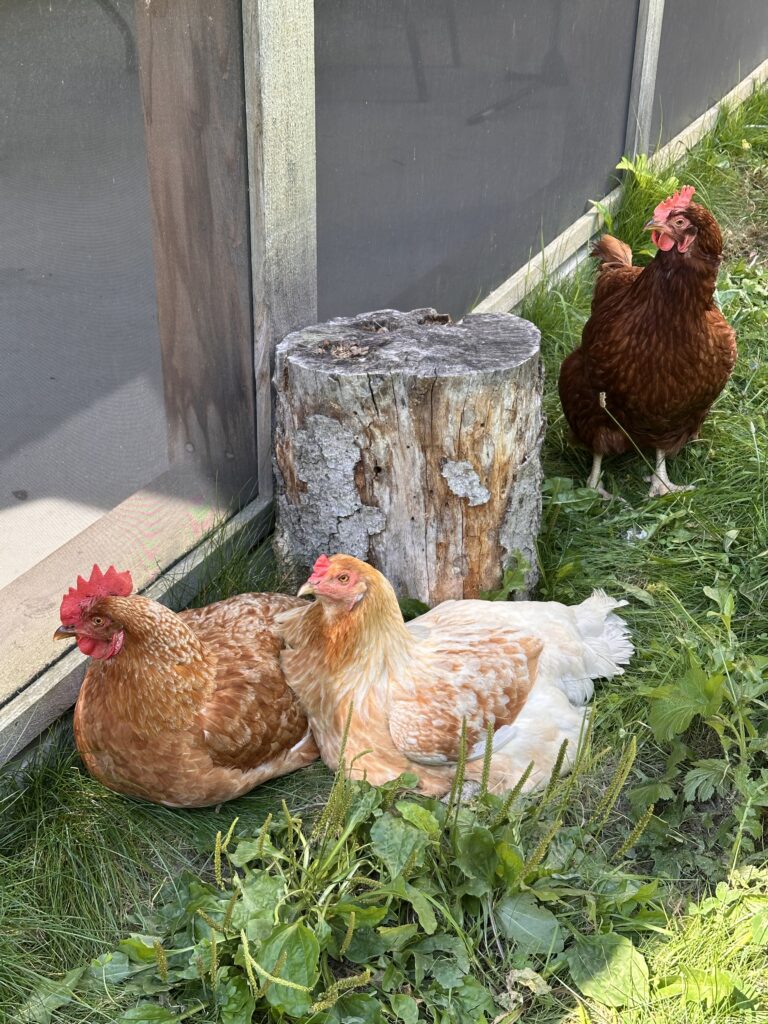
In 2021 we got our first twelve chicks to start our journey into chicken keeping. We knew that we wanted to get chickens when we moved here, but we felt like we needed to learn a lot before we went down that path. Our desire to have chickens was and is only for egg production, pest management, and entertainment. Before they arrived, we did lots of reading and research to try to prepare ourselves for for the adventure ahead of us, but we had no idea what was to come! We have learned so much, but feel like there is always so much more to learn.
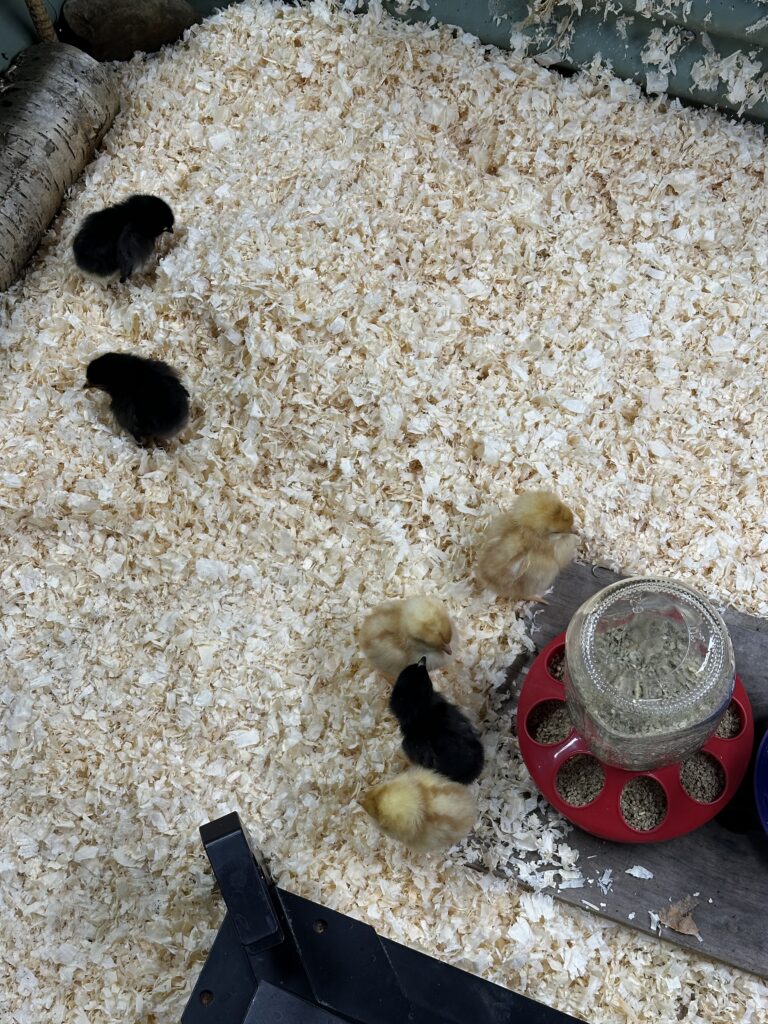
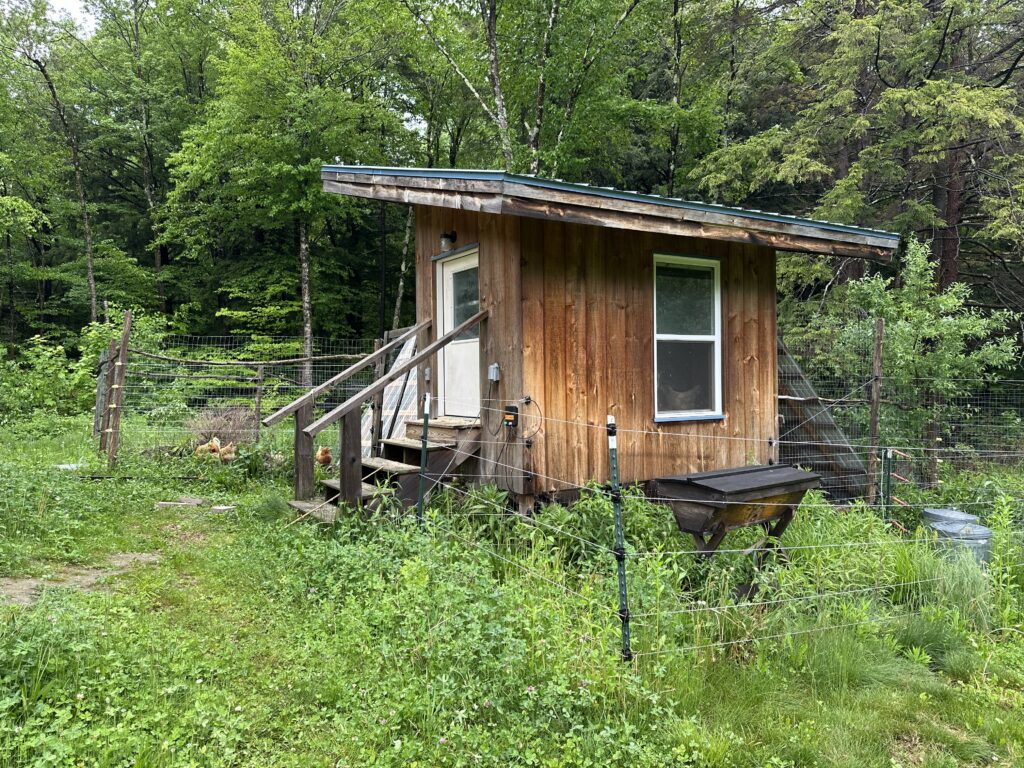
We picked up our first batch of day old chicks at a local farm store and brought them home. We had created a small space for them to be inside the house, the coop was not finished yet. Something that no one had mentioned in the books or videos about raising chicks was how fast they grow! When we look back on it we realize that we should have known this because we have parrots and have seen how fast birds grow. Once the coop was finished it was such a relief to get them all out of the living room!
From that first group we lost four of them, three to predators and one was a rooster that went to live on another farm in town. That fall we got six more chicks from a local farm store. They got to be in the greenhouse until they were old enough to move in with the other chickens. It was quite an experience to move the younger ones in with the older ones! They accepted each other and redefined their pecking order. This has been the experience each time we have introduced new chickens to the flock.
We have added two more batches of six chicks, including the most recent ones this spring. We have been leaning more toward getting chicks that are sex linked. When the hatcheries sex the chicks after they hatch, it can be a difficult and painful process for the chicks. We want to minimize the stress they have to endure, but we also only want to have hens here. There are so many stories out there about how mean roosters are or can be and we are just not interested in dealing with that. Roosters can be very good protectors for the flock, but they can also be very rough on the hens. Our goal is to have happy hens with minimal stressors.
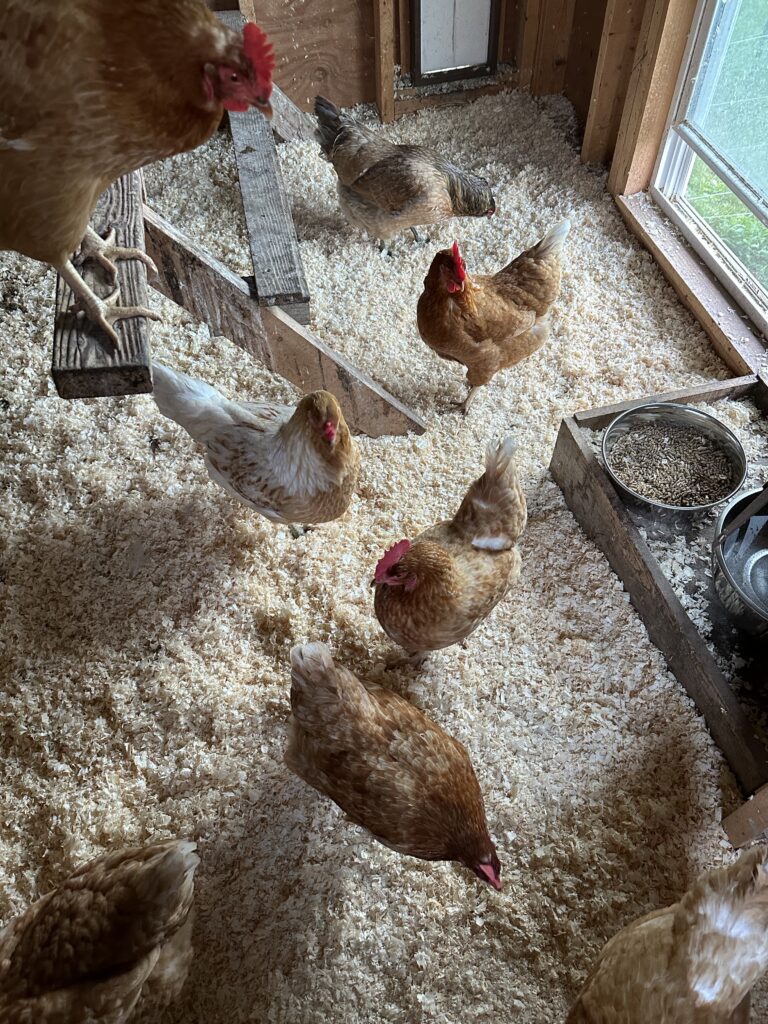
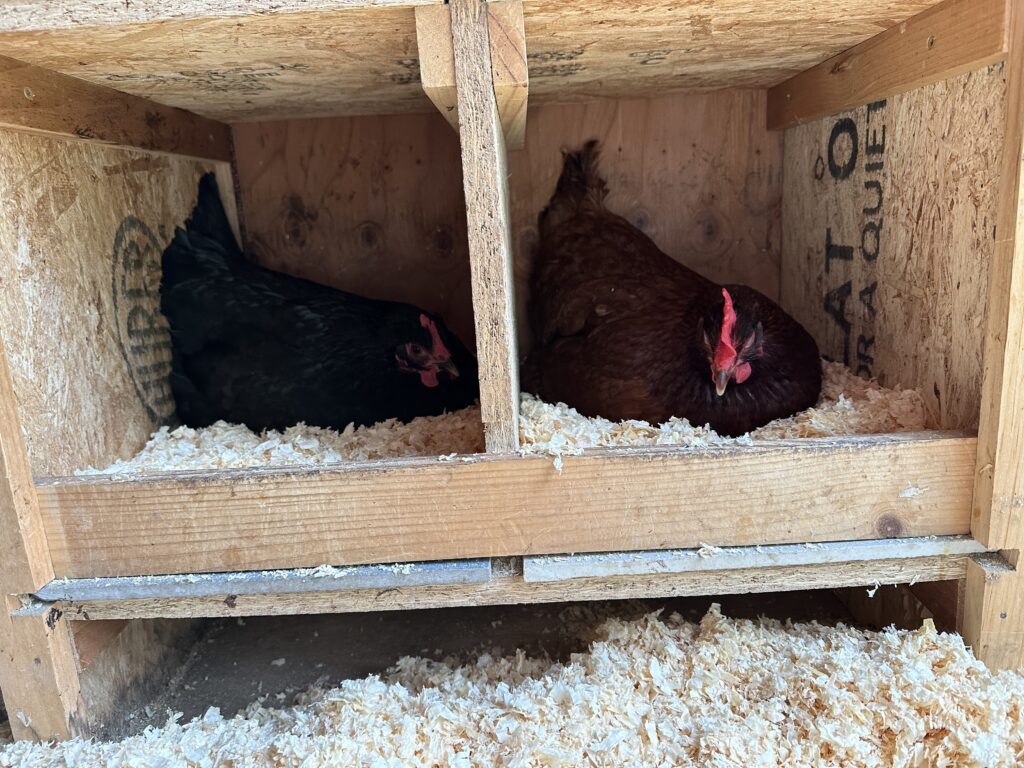
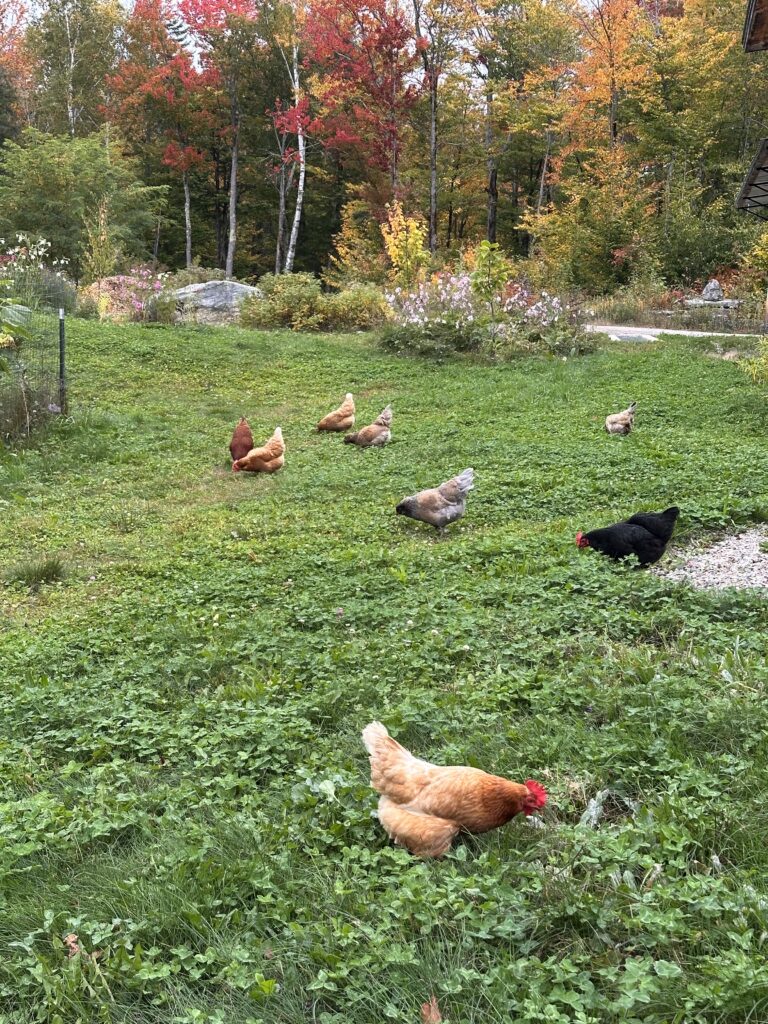
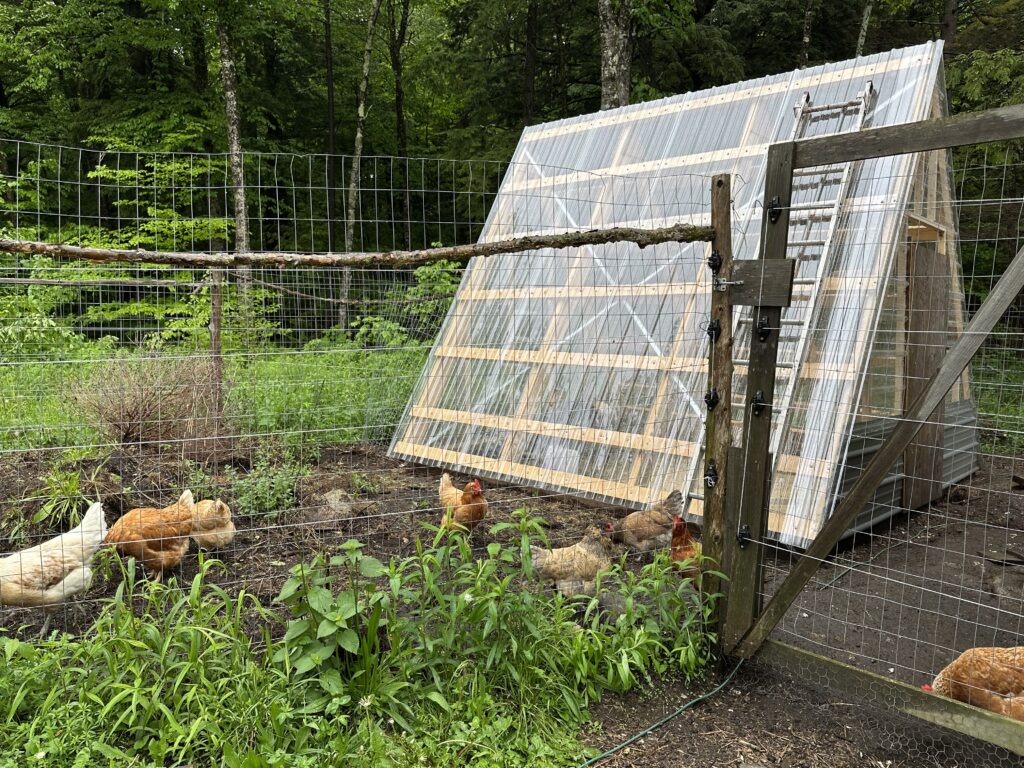
After we finished the coop, we added a pen with an electric fence so that they would have an outdoor safe space. The original outdoor pen is not very small, but I felt that the chickens needed more safe outdoor space. So we built a second pen and a third pen for them! All of the pens are connected to each other and have electric fencing around them. We can close off the two additional pens from the hens, if we need to. In the winter, we close off the extra pens since the hens won’t walk through the snow to get to them. It also means we can close these pens to let them rest, chickens are really hard on the plants and the plants need time to recover.
Along the way we have learned that chickens can be prone to heart attacks and we believe that we have lost some that way. Some of the breeds that we had gotten are bred to live shorter lives and we have lost some due to that. More recently we have lost a couple of hens to aerial predators. We learned that a Cooper’s Hawk has been in the area and possibly attacking another flock and then we saw the bird here. The hawk has been back several times, but we have secured the chicken pen area and added rope to create a spider web like structure over the pen. Then we added strips of mylar to the strings to keep the birds out.
The main pen is the only one that has the strings and mylar over it and we have closed the extra pens for now. We are monitoring the hawk and hoping that it will figure out that it can’t have our chickens. It has been a few weeks since the hawk attack, but we have still seen it coming to check in. On nice days we have let the chickens out of the pen, but only when we are outside with them. The hens have pretty good instincts and do hide under some bushes if they are out and see a large bird flying over. They love to come out of their pen and be able to forage all over the clearing. The hens are very good about staying close to the house and the coop and they still manage to find lots of good plants and bugs to eat. Sometimes they go into the forest behind their pen, but they don’t go far. Scratching through fallen leaves is something that they all love to do and they find lots of good things to eat!
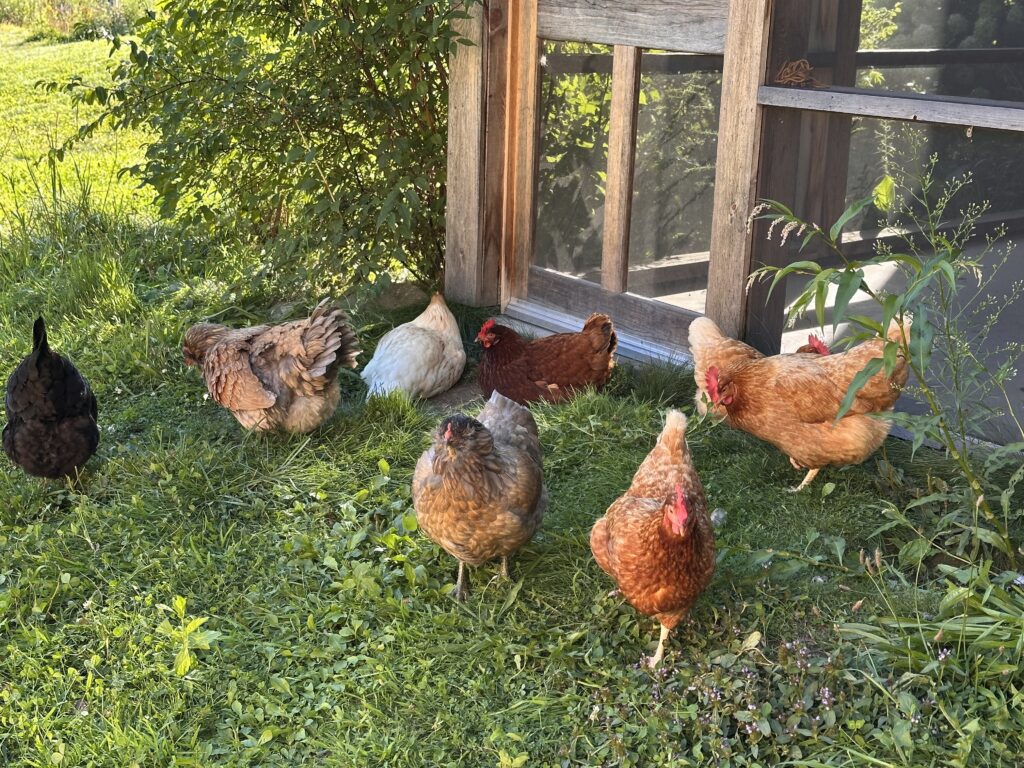
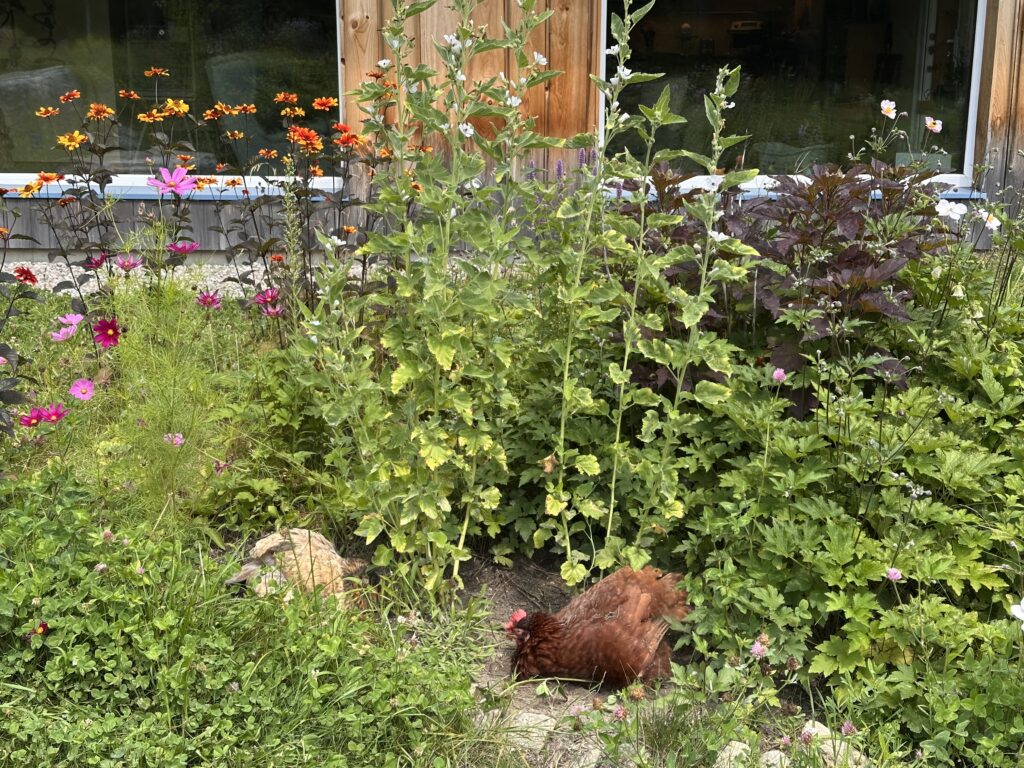
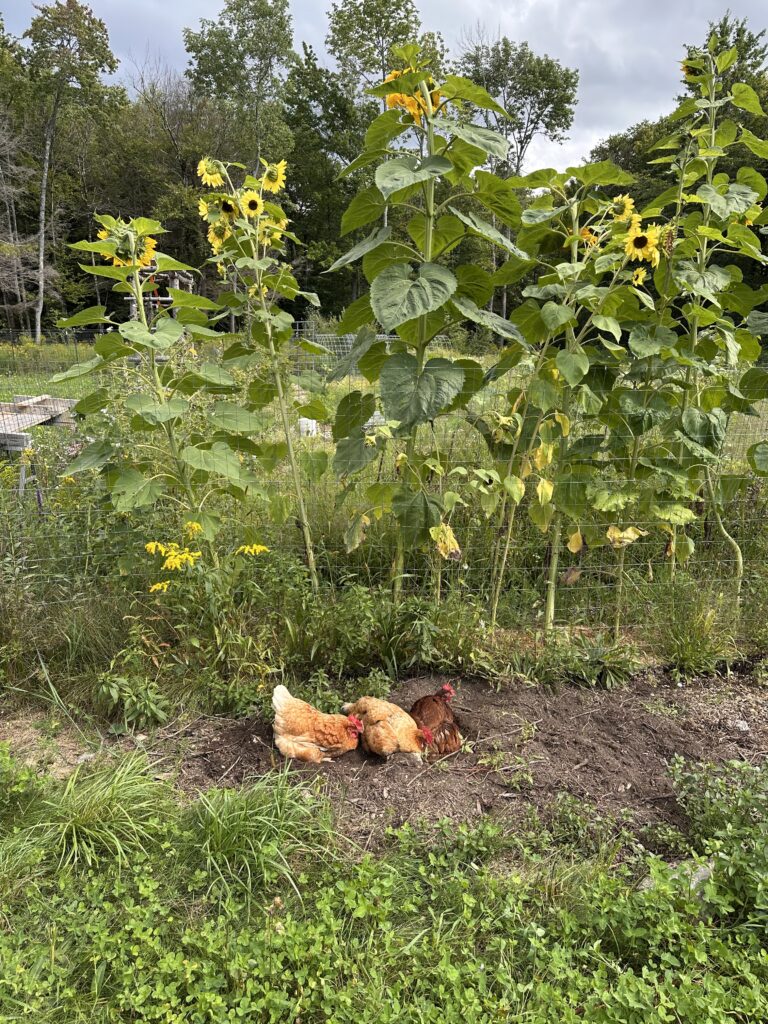
Chickens are great at pest management! Ticks, grasshoppers, Japanese beetles, mice, and voles are all delicious treats for the hens! We still deal with ticks, but it sounds like a lot less than others that don’t have chickens. The hens are so good at finding the ticks, even the tiny ones! Several of the hens act like Japanese beetles are candy! I will go out in the morning and collect the beetles in a jar and the hens get so excited when they see me coming with the jar full of beetles! They have learned to stick their heads into the jar to get to the beetles and eat them. There have been a few of our hens that have caught a mouse or a vole and the other hens chase them around hoping to steal it, in the end one of them will eat it. The voles have been very damaging to the garden, so I am happy that the hens like to hunt them.
As for entertainment, we can watch our chickens for hours! They each have their own distinct personality and behaviors. We name each of our chickens and get to know them well as we watch them and pay attention to them. Most of our hens are very friendly and comfortable with us handling them, which makes things easier for us. We do have a few that are a bit hand shy, but they are still very nice and becoming more comfortable the more we work with them. Handling them a lot when they are little is very important and can make your relationship with them much easier.
Our hens provide so much for us, so we are very happy to do what we can to keep them healthy, happy, and safe.